
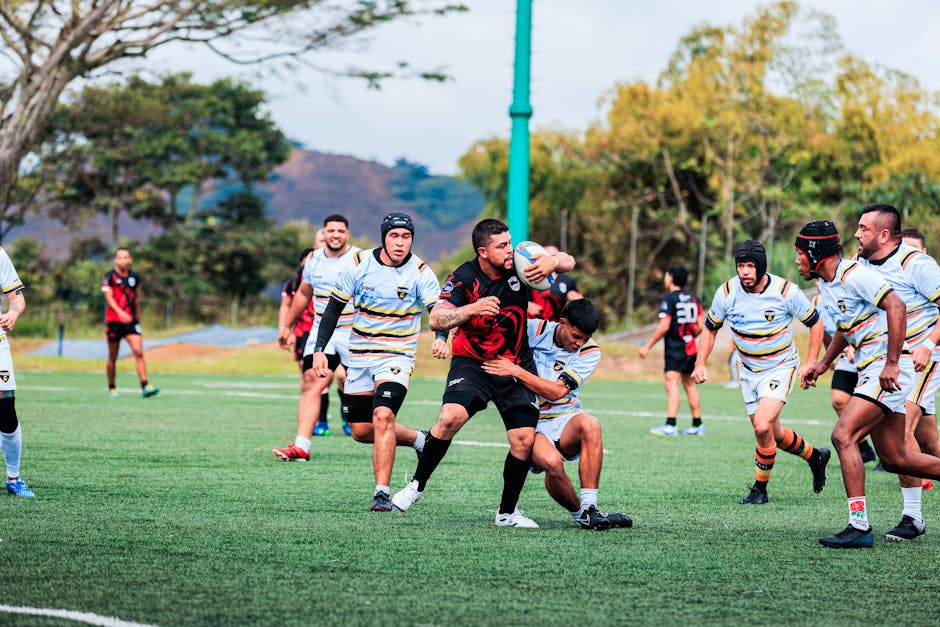
Rugby demands immense physical prowess, especially when it comes to sprinting. Speed can make the difference between scoring a try and being tackled, impacting not only individual performance but also the outcome of matches.
To truly excel on the rugby field, we must enhance our sprint power. Understanding how to maximize our explosive speed and agility can lead to improved game performance. In this article, we will discuss effective strategies to bolster our sprinting ability, incorporating a mix of strength training, technique refinement, and conditioning exercises.
Article Summary
To enhance sprint power for rugby, it is crucial to focus on strength training, refining sprinting technique, and improving overall conditioning. We will highlight specific exercises and drills that can help in these areas, ultimately leading to more explosive speed on the field.
Understanding Sprint Power
Sprint power refers to the explosive strength and speed that enable an athlete to cover ground quickly. In rugby, this ability is essential for breaking through defenses and chasing down opponents. Improving sprint power not only involves building muscle but also refining technique to maximize efficiency.
The Role of Strength Training
A robust strength training regime is foundational for enhancing sprint power. By incorporating exercises that target key muscle groups, we can build the necessary physical attributes for powerful sprinting.
Consider the following exercises:
It’s not merely about lifting heavy weights; we should focus on explosive movements within our strength training. Incorporating plyometrics, such as box jumps or sprint starts, can further develop the fast-twitch muscle fibers used in sprinting.
Refining Sprinting Technique
While strength is vital, technique plays an equally crucial role in sprinting efficiently. Improving our form can lead to significant speed gains. Here are some aspects to focus on:
To practice mastering these technical elements, regular sprint drills are indispensable. We can utilize short sprints, focusing on form first, then gradually incorporating speed.
Improving Overall Conditioning
Conditioning is another critical element in improving sprint power. Building aerobic capacity helps with recovery between sprints, while anaerobic conditioning enhances our ability to perform repeated high-intensity efforts.
Interval Training
Interval training is a prime method to boost both speed and conditioning. By alternating between short bursts of maximal effort and recovery periods, we can stimulate both aerobic and anaerobic systems. This can be executed through:
Incorporating these methods into our training routine, we will develop the ability to sustain high-intensity efforts during matches.
Incorporating Flexibility and Mobility Work
Flexibility and mobility often get overlooked, but they are vital for optimizing sprinting power. Ensuring that our muscles are flexible can improve stride length and reduce the risk of injuries.
Consider adding dynamic stretches before our workouts and static stretching after. Foam rolling can also aid recovery and maintain muscle pliability. Specific mobility drills targeting the hips, ankles, and thoracic spine enhance our ability to sprint efficiently.
Nutrition and Recovery Matters
To fuel our training, we must pay attention to our nutrition. The right foods can enhance our energy levels and recovery times.
Focus on obtaining a balance of macronutrients. Consuming adequate protein helps in muscle repair, while carbohydrates provide the necessary fuel for sprinting. Hydration is also crucial; staying hydrated ensures optimal performance and recovery.
Recovery strategies, such as sleep, massage, and active recovery days, should not be underestimated. Giving our bodies time to adapt and recover after intense training is essential for continuous improvement.
Conclusion
Enhancing sprint power for rugby requires a multifaceted approach, incorporating strength training, technical refinement, conditioning, and nutrition. By focusing on each of these components, we can significantly improve our sprinting ability, leading to a more dynamic and effective performance on the field. It’s time to integrate these strategies and watch our game elevate to new heights.