
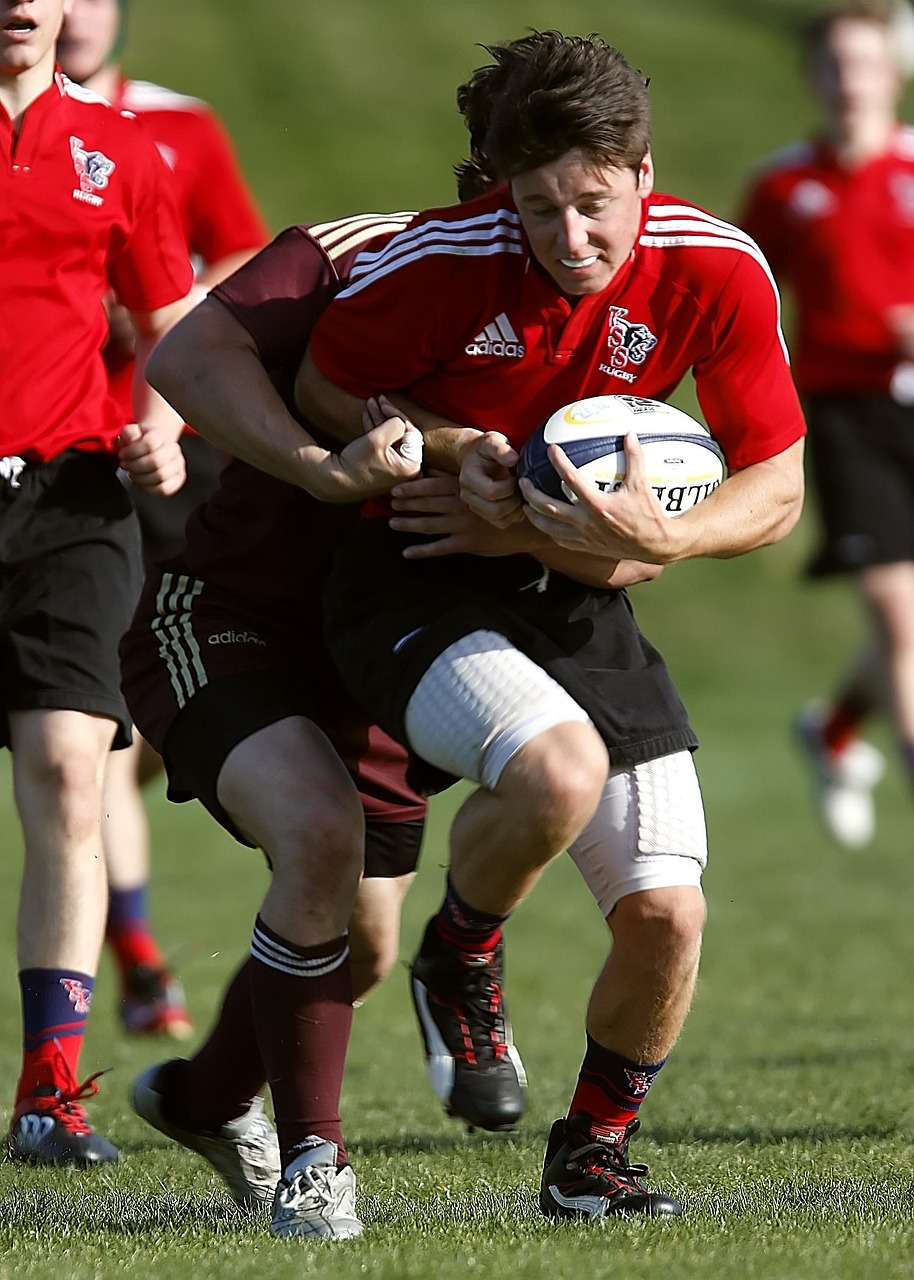
Rugby is a sport that demands a meticulous balance between aggressive play and strategic management. Possession and game control that a team exerts on the match can significantly influence the outcome. Teams that master these facets of gameplay often find themselves in advantageous positions, creating opportunities to score while stifling their opponents. In this exploration of rugby strategy, we will delve into the nuanced ways in which teams manage possession and maintain control of the game.
Article Summary
Effective management of possession and game control in rugby revolves around strategic execution, teamwork, and adaptability. Teams that prioritize retaining possession through patient play and tactical discipline not only enhance their scoring opportunities, but also disrupt their opponents’ rhythm, ultimately dictating the pace and flow of the match.
Understanding Possession in Rugby
Possession refers to the team’s ability to maintain control of the ball during play. It acts as a foundation for executing plays and scoring points. In our experience, teams that focus on ball retention often have better chances of dictating the game’s tempo.
The Importance of Retaining Ball Control
Retaining possession is crucial for several reasons:
By prioritizing possession, we can influence the game, implement our strategies, and minimize the chances of the opposition mounting a successful attack.
Game Control: The Bigger Picture
Possession must be complemented by game control, which encompasses managing the pace and flow of the match. Game control is about more than just the ball; it is the broader strategy that determines how we respond to the shifting dynamics on the field.
Elements of Game Control
There are several key elements involved in effective game control:
As we engage with these elements, we realize that effective game control hinges on teamwork and the ability to adapt to various match situations.
Implementing Strategic Plays
To gain an advantage, we must implement strategic plays that align with our possession and game control objectives. Tactical choices such as utilizing set pieces, phases of play, and backline movements can be game-changers.
Utilizing Set Pieces
Set pieces, such as scrums and lineouts, provide a structured way to regain and maintain possession. When executed properly, they can lead to scoring opportunities.
Phased Play
Phased play refers to the sequence of attacking plays that occur after retaining possession. By maintaining continuity, we can create rifts in the opponent’s defenses, allowing for potential scoring chances.
Backline Movements
A coordinated backline is essential for exploiting space and creating overlaps. Utilizing swift passes and timing can augment our chances of breaking through the defensive line.
Physical and Mental Aspects of Possession and Control
Possession and game control are not merely technical elements; they encompass physical and mental dimensions. The interplay of physical strength, endurance, and mental fortitude shapes a team’s overall performance.
Building a Cohesive Unit
Disciplinary training and practice foster team cohesion. As players gel on and off the field, we find that enhanced understanding leads to better coordination, particularly in high-pressure situations.
Mental Resilience
Rugby is as much about mental strength as it is about physical prowess. Teams that cultivate resilience are more capable of maintaining focus, responding to adversity, and sustaining pressure on the opponent.
Conclusion
It is evident that managing possession and game control are pivotal aspects of rugby strategy. Teams that excel in these areas can dictate the course of the match, providing them a competitive edge. As players and coaches, we must continue to hone our skills in retaining ball control, implementing strategic plays, and creating an environment conducive to success. The more effectively we can manage these elements, the greater our chances of securing victory on the field.