
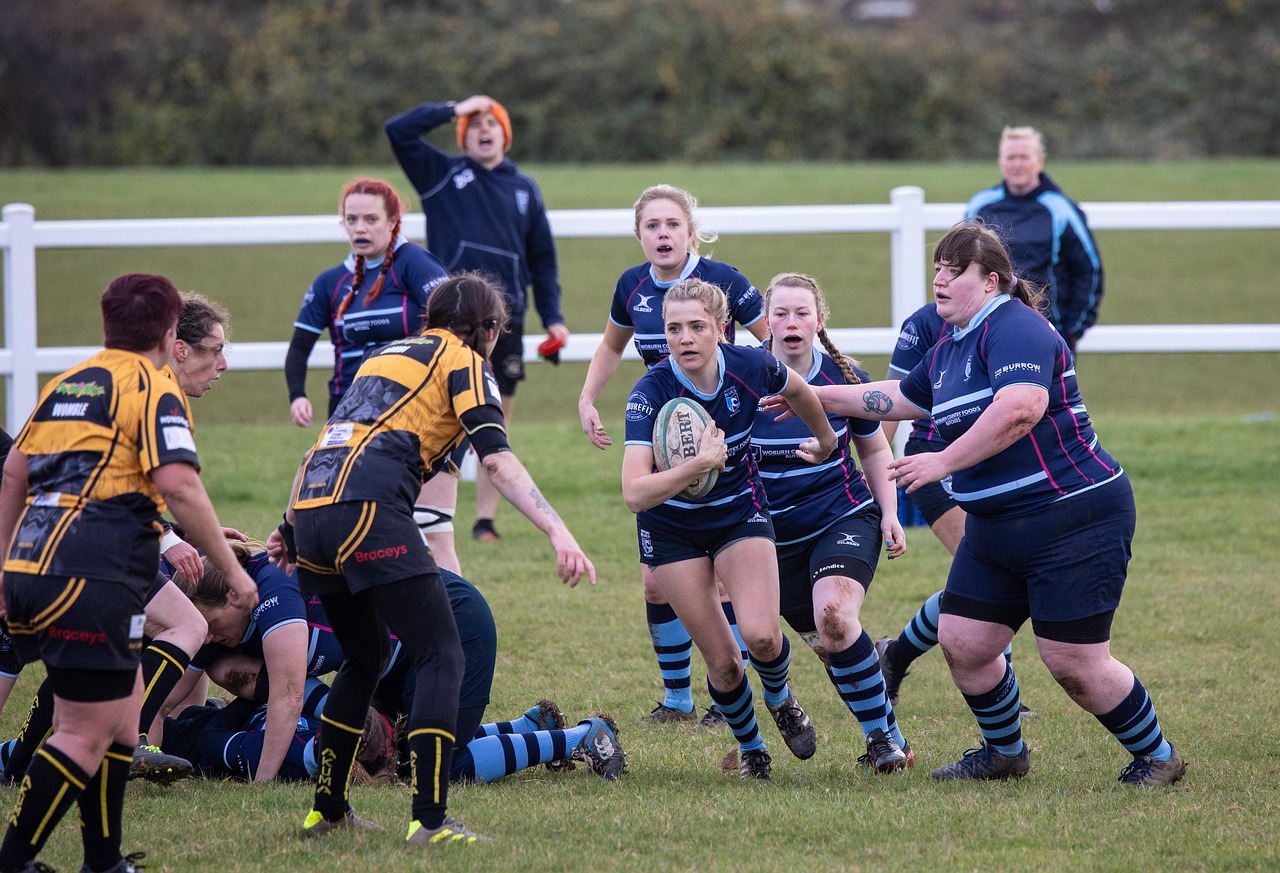
Rugby is a game that thrives on strategy, and one of the most critical aspects of the game is the lineout. It is a complex scenario where teams can gain possession after a ball goes out of play, often dictating the flow of the match. Understanding the tactical strategies employed during rugby lineouts offers a deeper appreciation for the game.
Article Summary
During a rugby lineout, teams deploy various tactical strategies to secure possession of the ball. These can include signal calls, variations in jumping patterns, and the “lifting” technique to amplify the height of the jumper. Recognizing and anticipating these strategies can be crucial for both the attacking and defending teams.
The Importance of Lineouts in Rugby
Lineouts are pivotal moments in a rugby match. They occur when the ball goes into touch, providing an opportunity for teams to regain possession. Every side aims to capitalize on these situations, transforming them into offensive opportunities. A successful lineout can lead to a scoring chance, while a failed one could shift momentum to the opposing team.
The dynamic nature of lineouts showcases the interplay between physicality and tactics. We are often left in awe of how teams utilize their players not just for strength, but for strategic maneuvering. This mix of skills ensures that no two lineouts are ever exactly the same.
Key Tactical Strategies in Lineouts
There are several fundamental strategies that teams employ during lineouts. Understanding these tactics can add a fascinating layer to your rugby experience.
Signal Calls
Teams utilize a system of signal calls to communicate their intended approach during a lineout. These signals can range from simple gestures to complex coded phrases. The clarity and secrecy of these signals are paramount.
-
Audible Calls: Often, a captain or a designated player will verbally signal the planned throw. This can be a word or phrase that indicates the intended jump or play.
-
Visual Signals: Players may employ hand signals to relay their strategy. For instance, a player might raise their arm, indicating a short throw, or indicate a longer throw by pointing upwards.
Quickly recognizing and reacting to the opponent’s calls can put your team in a advantageous position.
Types of Throws
The throw-in is another essential aspect of the lineout. Different types of throws can be employed based on the team’s strategy:
-
Straight Throws: The most common type, ensuring that the ball goes directly to the intended jumper.
-
Cross-field Throws: This is often used to confuse the opposition, directing the ball to a player positioned at a different angle.
-
Over-the-top Throws: This throw is aimed for players positioned at the back of the lineout, used usually when the opposing team’s defense is overly focused on the front jumpers.
These variations not only make it challenging for the defense to predict the play but also allow your team to capitalize on mismatches.
Lifting Techniques
Lifting the jumper can significantly elevate the chances of success during a lineout. This technique has evolved, allowing players to utilize their physical strengths effectively:
-
Two-Person Lift: Typically, two players will lift the jumper, providing stability and maximizing height. This requires excellent coordination between the players.
-
One-Person Lift: In some cases, teams may employ a one-person lift to surprise the opposition—catching them off guard. It demands exceptional timing from both the lifter and the jumper.
Proper execution of these lifting techniques can drastically improve your team’s ability to secure the ball.
Timing and Coordination
Timing is crucial in lineouts. Players must be synchronized in their movements to ensure a successful throw.
-
Jump Timing: The jumper must time their leap precisely to meet the ball, while lifters need to engage strength at the optimal moment.
-
Movement Patterns: The entire lineout formation must be cohesive. Players will often feint jumps or move in unison, creating confusion for defenders.
Mastering timing and coordination can elevate a team’s effectiveness in gaining possession.
Defensive Strategies Against Lineouts
While offense gets much attention during lineouts, defense plays an equally critical role. Understanding the defensive maneuvers can provide insight into how teams attempt to thwart their opponents.
Counter-Jumping
Counter-jumping is a tactic where defenders jump to contest the ball at its highest point. This requires significant skill and coordination:
-
Reading the Opposition: Successfully counter-jumping necessitates a good understanding of the opposition’s preferred jumps and throw types.
-
Physical Readiness: Defenders must stay physically agile, ensuring they can react swiftly to the throw.
Exploiting these tactics can minimize buoyancy for the attacking team.
Creating Mismatches
Defenses will look for mismatches during lineouts. This could involve either moving taller players to contest against shorter jumpers or adjusting the lineout configuration to apply pressure on the thrower.
This may also include:
-
Psychological Tactics: Intimidation can be an effective tool. Positioning taller players prominently can influence how the thrower and jumpers mentally approach a lineout.
-
Positioning Defenders: Anticipating the throw and positioning defenders accordingly can disrupt the rhythm of opposing players.
By disrupting their coordination, teams can create chaos, leading to turnovers or disruptions in flow.
Conclusion
The lineout is a quintessential part of rugby that showcases the fusion of intricate tactics, physical prowess, and strategic foresight. By understanding the various strategies employed during lineouts—whether offensive or defensive—you can appreciate the depth of the sport more profoundly. The next time you watch a match, you might find yourself captivated by the tactics at play, making each lineout not just a moment of contest, but a strategic battle in itself.