
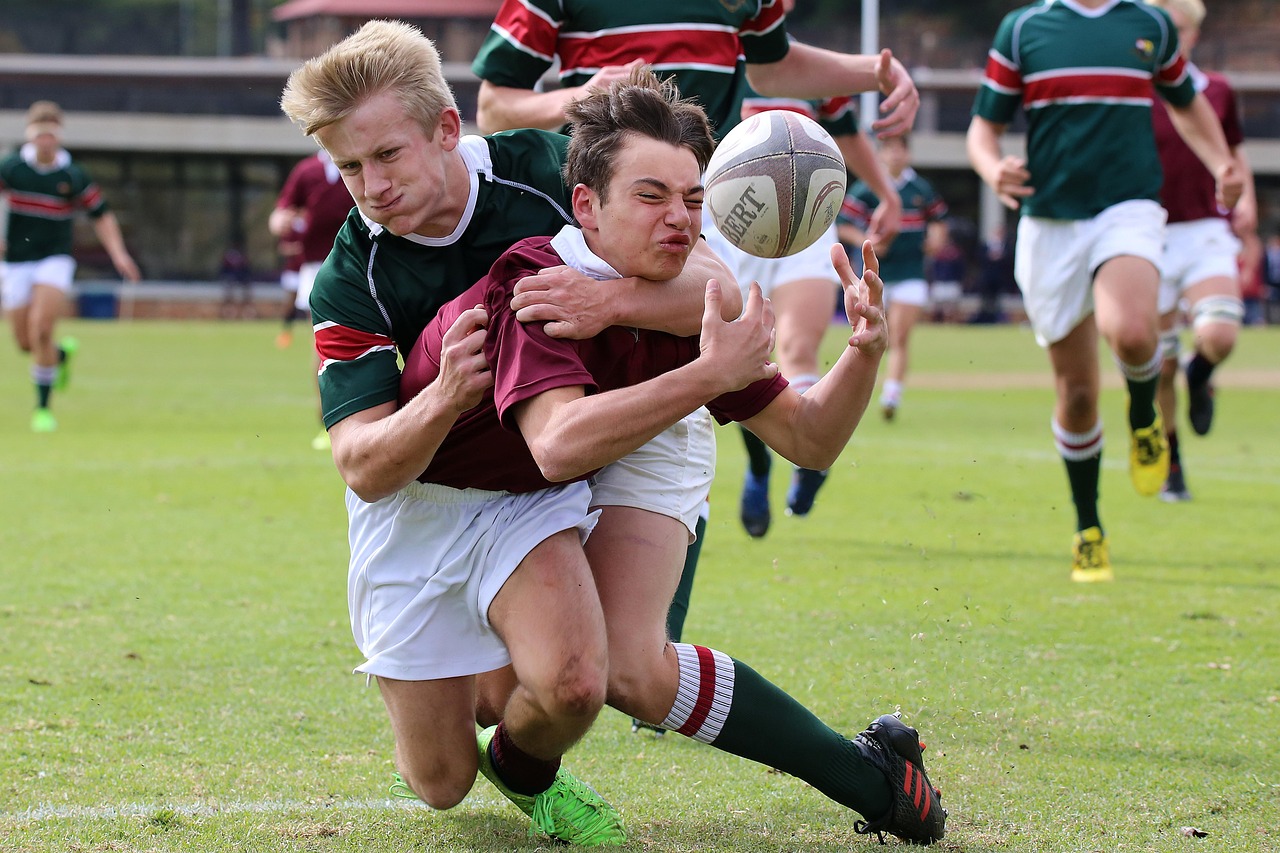
Rugby is more than just a contest of strength; it is a sophisticated game where strategy plays a pivotal role. One of the most intriguing aspects of rugby tactics is the use of kicking. From tactical kicks aiming to gain territory to penalty attempts at goal, kicking is a multifaceted weapon in a team’s arsenal. Understanding how teams utilize this skill can provide deeper insights for enthusiasts and players alike.
Article Summary
Kicking serves as a tactical weapon in rugby by allowing teams to gain territory, force defensive errors, and create scoring opportunities. Whether through strategic tactical kicks, high balls, or penalty attempts, the effective use of kicking is crucial to a team’s success on the field.
The Types of Kicks
To appreciate how teams leverage kicking as a tactical weapon, we must first comprehend the different types of kicks employed during a match. Each kick serves a unique purpose and requires a specific technique.
Tactical Kicks
Tactical kicking is often used to invite a defensive response from the opposing team. These kicks aim to exploit gaps in the defensive line or to pressurize the backfield defense. For instance, a well-placed grubber kick can catch defenders off guard, allowing chasing players to put pressure on the receiver.
High Balls
High balls or ‘up and unders’ are another useful tool. They involve kicking the ball high into the air, allowing the kicking team to chase down the ball. This tactic not only disrupts the opposition’s play but also creates opportunities for turnovers. When executed effectively, we often see these kicks turn into a scoring chance, with players ready to jump and contest for possession.
Penalty Kicks and Conversions
When it comes to scoring, penalty kicks, and conversions are critical. A successful penalty kick can shift the momentum of the game and reward tactical pressure. Additionally, conversion attempts after tries offer teams a chance to add crucial points and extend their lead.
The Role of Kicking in Game Strategy
Kicking is not just an isolated act, but an integral component of a broader game strategy. Understanding the role it plays can enhance our appreciation of the game.
Territorial Gain
One of the primary objectives of kicking is to gain territory. By kicking deep into the opponent’s half, we force them to regroup, ultimately allowing our team to set up defensively. This tactic is particularly effective when implemented during defensive plays, often leading to advantageous set-piece opportunities.
Creating Scoring Opportunities
Kicking can also create excellent scoring opportunities. By executing tactical kicks behind the defensive line, we can challenge opposing players to retrieve the ball under pressure. Maximizing scoring chances is essential, and utilizing kicks intelligently can provide the edge needed to secure victory.
Disrupting Opponent’s Rhythm
A well-timed kick can disrupt the opponent’s flow of play. By challenging the backfield with high balls or quick tactical kicks, we can hinder their ability to build a rhythm and flow. This disruption forces the defending team to adapt, often leading to mistakes that we can capitalize on.
Execution and Training
While the theory behind tactical kicking is essential, execution is equally critical. Teams invest heavily in training sessions that hone these skills, recognizing that a well-practiced kicker can have a significant impact on the game.
Precision and Technique
The precision of a kick relies heavily on technique—players must master the art of kicking to execute various styles effectively. Drills that emphasize accuracy and distance can greatly improve a player’s performance during matches.
Decision-Making
Furthermore, decision-making is vital in determining when and how to kick. Players must gauge the game situation continuously, considering factors such as field position, the scoreline, and opposition formation. These split-second decisions can drastically affect the outcome of the game.
Conclusion
In conclusion, the strategic use of kicking in rugby is a crucial aspect that can determine the flow and outcome of a match. Kicking offers teams the ability to gain territory, create scoring chances, and disrupt their opponents’ play. For players and fans, understanding this dynamic can enhance our enjoyment and tactical analysis of the sport. As we continue to watch the game evolve, it will be fascinating to see how teams innovate further in this domain. Each game presents new possibilities and opportunities, transforming kicking into a captivating element of rugby strategy.