
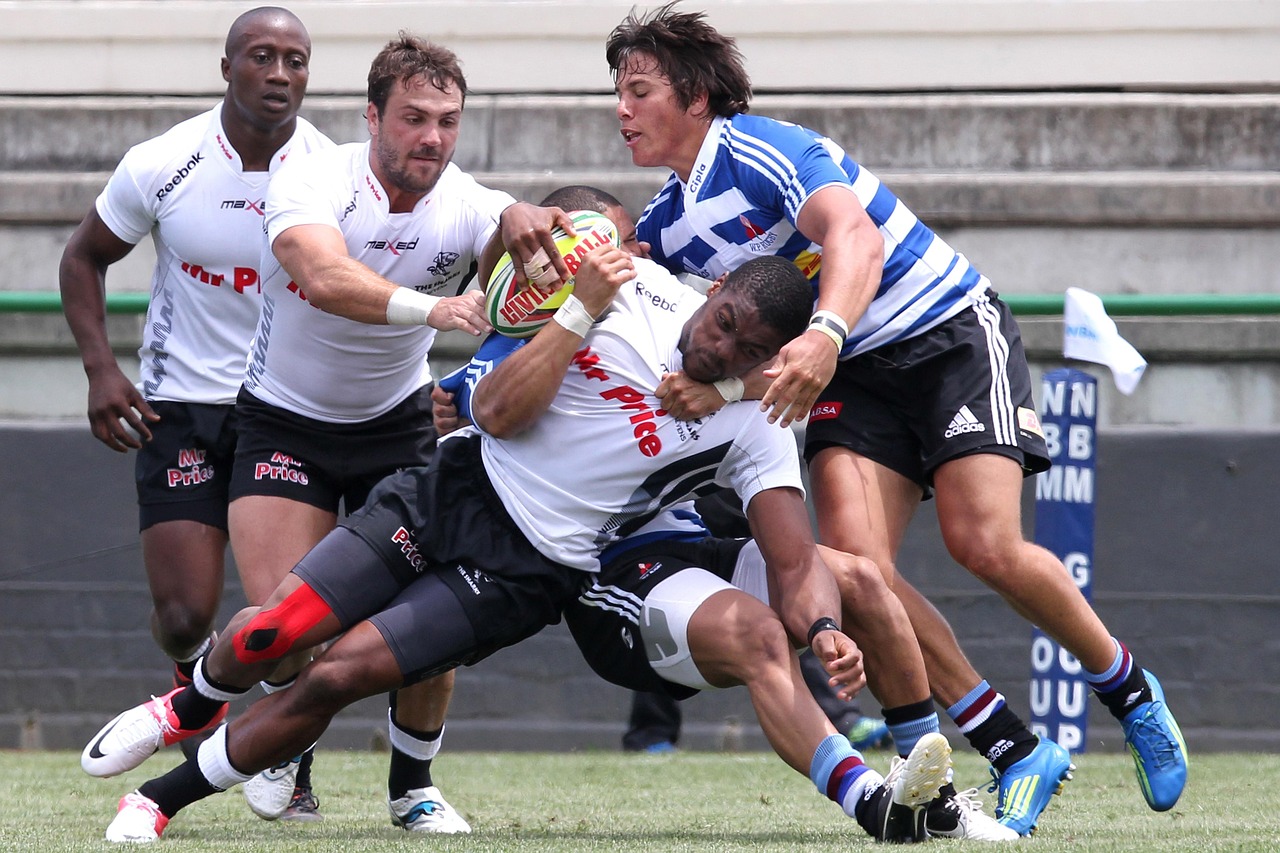
Rugby is a game where strategy and tactics play a crucial role in shaping the outcome of matches. One of the most significant tactical situations on the pitch is the scrum. It’s not merely a physical contest; numerous decisions are made to maximize the team’s advantage. Understanding these tactical nuances can illuminate the complexities of the game, making it crucial for players, coaches, and fans alike to grasp this aspect of rugby.
Article Summary
Tactical decisions during rugby scrums encompass a range of strategies aimed at gaining possession or creating scoring opportunities. Factors like the alignment of players, timing of the engagement, and specific calls from the scrum-half influence the effectiveness of the scrum. Ultimately, these decisions can dictate the momentum of the game.
The Importance of Scrums in Rugby
Every scrum represents an opportunity, as well as a challenge. This phase of play not only sets the tone but can also alter the course of a match. A well-executed scrum can lead to a surge of confidence, while a poorly managed one may result in lost possession. The tactical decisions made here can be the difference between a winning or losing performance.
When we examine past matches, we can see that teams with strong scrum tactics often dominate the field. The scrum becomes a metaphor for the entire game, as it embodies the principles of teamwork, strategy, and physicality.
Key Tactical Decisions in Scrums
Understanding the multifaceted nature of scrums requires delving into the tactical decisions teams make during this set piece. These decisions often revolve around:
Player Alignment
The arrangement of players within the scrum is crucial. For instance, a team might choose to adopt a solid, compact structure, aiming for stability. Alternatively, they may employ a more dynamic alignment designed to create space for breaking through the opposing defensive line.
Key factors to consider include:
These decisions are informed by a blend of statistics, opposition analysis, and inherent team strengths.
Timing and Technique
Timing plays a pivotal role in the effectiveness of a scrum. Once the ball is put in by the scrum-half, the decision on when to push forward is paramount. A coordinated effort is essential. If players hesitate, the element of surprise is lost, and the scrum can be easily countered.
Considerations for timing include:
Decisions around timing and technique require extensive practice and trust among squad members.
Communication and Calls
The scrum-half plays a vital role, as their calls can dictate the scrum’s direction and speed. They must communicate effectively with both the forwards and the back line to ensure fluid transitions once the scrum is completed.
Some common tactical calls include:
Effective communication can capitalize on defensive weaknesses and exploit gaps.
Analyzing Opponent Weaknesses
An astute team will always analyze the opponent’s scrum. Knowing the opposition’s strengths and weaknesses allows for strategic advantages to be identified.
For example, if the opponents have a weaker front row, teams may choose to utilize different scrum techniques intending to concentrate their strength in this area, potentially leading to a dominant position. By targeting specific players or formations, teams can craft scrums designed to expose vulnerabilities.
However, this requires meticulous planning, and flexibility to adjust tactics on the fly, showcasing the importance of real-time decision-making.
The Pressure of High-Stakes Situations
In high-stakes matches or during crucial moments within a game, the pressure surrounding scrums intensifies. Our decisions in these high-pressure contexts often need to be instantaneous. Teams must rely on their instincts and previous training to navigate these important set pieces.
Such scenarios may include a scrum near the goal line or within the final minutes of a tightly contested match. In these moments, clarity of thought, combined with experience, becomes essential.
Conclusion
In summary, the tactical decisions made during rugby scrums are multifaceted, demanding a blend of physical prowess and strategic foresight. The placement and alignment of players, timing, and effective communication all contribute towards maximizing a team’s advantage. Appreciating the complexities and strategies entwined within scrums can enhance both our understanding of the game and our enjoyment of rugby. With every match, we are reminded that the scrum is more than just a contest of strength; it is a crucible of tactics and teamwork.