
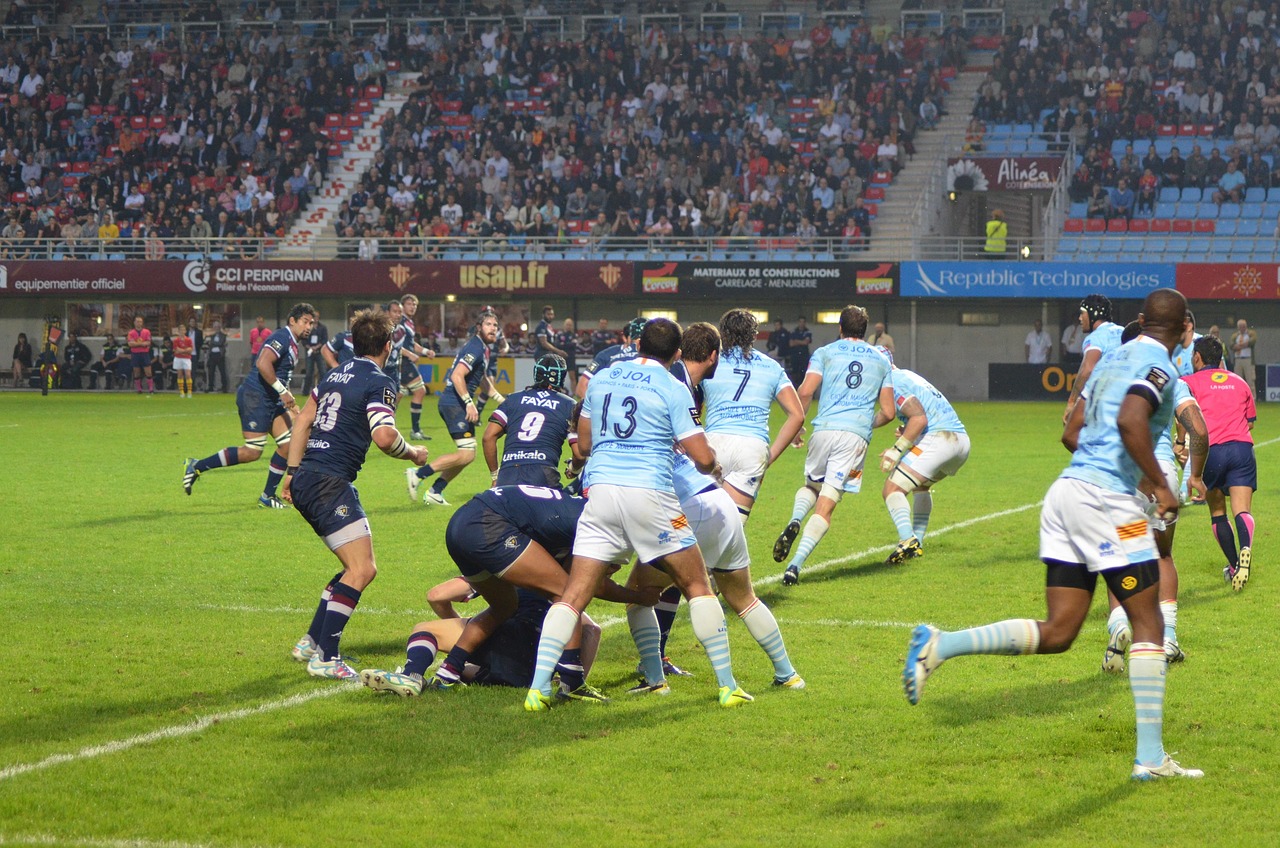
Rugby, a sport rich in history and strategy, relies heavily on the leadership of its captains. These individuals hold a pivotal role not just in motivating their teams, but also in influencing the tactical decisions made on the pitch. As we delve deeper into the dynamics between captains and team tactics, we will uncover the complexity and significance of their impact during the game.
Article Summary
Rugby captains wield considerable influence over team tactics by making strategic decisions in real-time, communicating effectively with teammates, and inspiring unity and resilience within the squad. Their understanding of the game, coupled with their ability to adapt quickly to changing circumstances, is vital for a team’s success on the field.
The Role of the Captain
In rugby, the captain is often seen as the embodiment of the team’s spirit. They are responsible for making crucial decisions, from choosing when to kick for goal, to whether to seize a quick tap penalty. A good captain must possess not only a profound understanding of the game but also the ability to read situations and gauge the morale and energy levels of their teammates.
This responsibility encompasses both tactical and emotional aspects. By fostering a positive atmosphere, the captain ensures each player feels valued and ready to contribute. The synergy created by positive leadership can have profound implications, particularly in high-pressure situations where mental resilience plays a critical role in performance.
Tactical Adjustments During Matches
Captains must be quick to adapt strategies based on the unfolding dynamics of a match. This flexibility is essential, as the opposition may shift their gameplay unexpectedly. Here are some ways captains influence tactics during games:
In this ever-flowing environment, the captain’s ability to stay calm under pressure is invaluable. Their composure not only impacts their own performance, but can also stabilize a team feeling the strain of competition.
Building Team Cohesion
Beyond tactical maneuvers, captains play a vital part in team cohesion. A deep understanding of each player’s strengths and weaknesses allows the captain to position players strategically and foster unity. Here’s how they contribute to team cohesion:
It’s essential for all players to feel their contributions matter. The captain helps to blend these individual contributions into a harmonious and effective unit, amplifying the team’s overall performance.
Learning from Experience
Experience is a crucial asset for any rugby captain. Over time, they accumulate valuable insights that enhance their decision-making. A captain who has faced a myriad of game situations brings a wealth of knowledge that can be shared with the team. This wisdom can take the form of:
Through these lessons learned, captains not only improve their tactical acumen, but also cultivate a culture of continuous learning within the team.
The Future of Captaincy in Rugby
As the game of rugby evolves, the role of the captain is likely to undergo further transformations. With advances in technology and analytics, captains may increasingly rely on data-driven insights to guide their tactical decisions. Furthermore, the growing emphasis on inclusivity and collaboration in sports may see a more democratic approach to captaincy emerge, where players collectively leverage their insights while the captain serves as a facilitator.
In this sense, the future looks promising for the evolution of leadership within rugby. New captains will have the tools available to not only excel as individual leaders but will also enhance their teams’ overall strategic effectiveness.
Conclusion
The influence of rugby captains on team tactics cannot be overstated. Their ability to adapt, inspire, and lead is paramount. By skillfully navigating the complex interplay of strategy and emotion, they ensure their team remains resilient and united, even in the face of adversity. As fans and participants in the sport, we should appreciate the critical role captains play in shaping the game we love.