
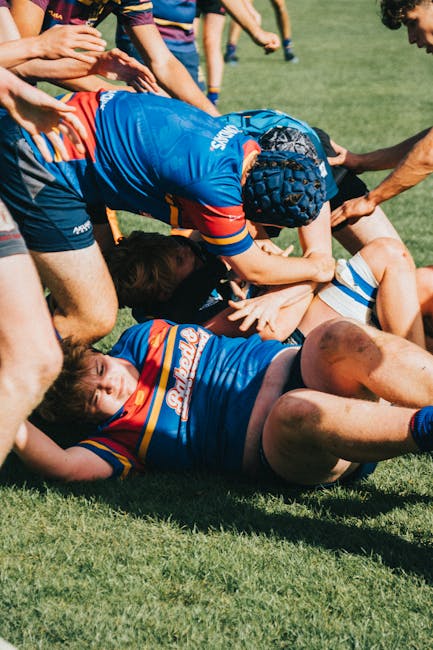
Training frequency is critical for rugby players striving for optimal performance. In a sport that demands not only physical prowess but also strategic finesse, understanding how often to train can be the difference between success and mediocrity. As rugby players, we recognize that our training schedule should be meticulously planned and adapted to the seasonal demands of the game.
Article Summary
To maximize performance, rugby players should typically train between four to six times a week, balancing strength and conditioning with skill development. Individual goals, playing position, and competition schedules will further influence the specific frequency of training sessions.
Understanding Training Needs
In rugby, the physical and mental demands are exceptionally high. Our training regimen must encompass a variety of skills, including agility, strength, speed, and tactical awareness. Each of us has unique attributes, and thus, tailoring our training to our specific needs, while adhering to fundamental principles, is essential for achieving our peak performance.
The Importance of Periodization
Periodization plays a crucial role in our training schedules. By systematically varying the intensity and volume of our training, we not only prevent injuries but also ensure sustained progress. Typically, our training year can be divided into three phases:
Utilizing this structured approach not only enhances our physical capabilities but also ensures that we reach peak performance during critical competitions.
Frequency of Training
Generally, we should aim to train four to six times a week, depending on several factors.
Position-Specific Considerations
Each position on the rugby field has distinct physical demands. For instance, forwards may require more strength training sessions, focusing on power and stability, while backs might prioritize speed and agility. Therefore, our training frequency can vary considerably based on our roles on the pitch.
Individual Goals and Fitness Levels
It’s imperative to consider our individual fitness levels and goals. If we’re returning from an injury or aiming to improve a specific skill, our training frequency might increase temporarily. Additionally, younger players might benefit from more frequent training to develop their skills, while seasoned athletes may adopt a more balanced approach between training and recovery.
Balancing Training and Recovery
While we understand the importance of rigorous training, incorporating sufficient recovery time is equally crucial. Overtraining can lead to burnout and increase the risk of injuries. Consequently, we should integrate active recovery sessions into our schedule. These can include:
These activities help rejuvenate our bodies and minds, preparing us for the high-intensity training sessions ahead.
The Role of Skill Development
Skill development is a fundamental aspect of our training schedule. It’s not enough to be physically fit; we must also hone our tactical awareness and game skills. This involves dedicating specific sessions to various components of the game, such as passing, tackling, and scrummaging.
Integrating both physical conditioning and skill-focused training allows us to be versatile players who can adapt to different game situations.
Incorporating Match Simulation
Simulating match conditions during training is vital. It provides the opportunity to practice our skills under pressure, improving our decision-making and tactical awareness. By incorporating scrimmages or small-sided games into our training schedule, we can prepare for the unpredictable nature of matches while reinforcing teamwork and communication.
Nutrition and Mental Preparedness
The importance of nutrition cannot be overstated. A well-balanced diet supports our training regimen, aiding recovery and optimizing performance. Consuming the right proportions of carbohydrates, proteins, and fats helps fuel our body during those demanding training sessions, while staying hydrated is essential for peak performance.
Mental preparation also plays a significant role in our training frequency. Engaging in activities like visualization or mindfulness can strengthen our mental resilience and focus, preparing us to face challenges both on and off the field.
Conclusion
In summary, achieving maximum performance as rugby players requires a balanced training approach, typically four to six times a week, tailored to our specific roles and conditioning levels. By thoughtfully integrating physical training, skill development, and recovery into our schedules, we can enhance our performance and propel our team to success. As we prioritize both our physical and mental wellbeing, we position ourselves for greater achievement, both individually and collectively on the pitch.