
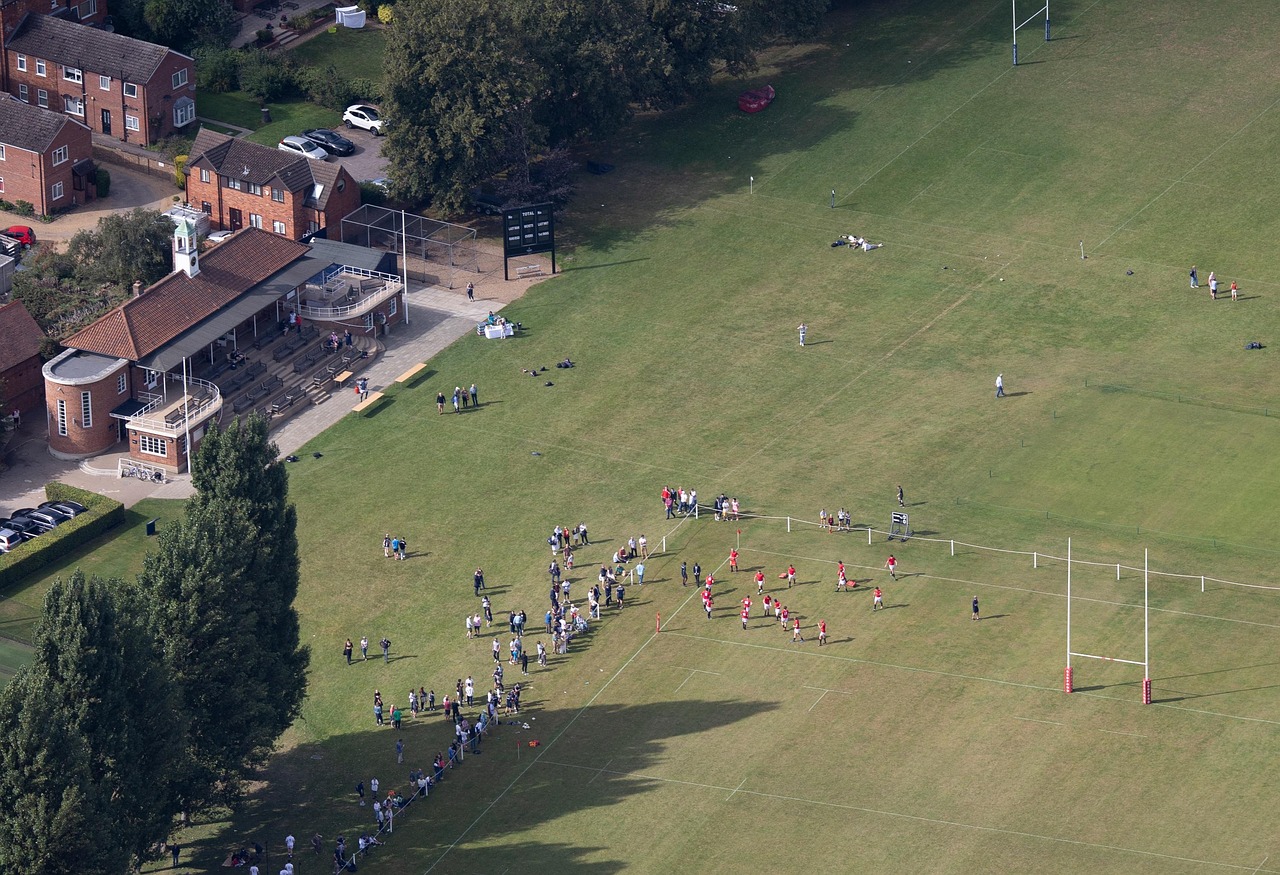
When facing a powerful forward pack in rugby, the challenge can be daunting. Teams with robust forwards exert immense pressure through their physicality and set-piece dominance, making it crucial for us as players to adapt our defensive strategies. How do we counteract this advantage without compromising our own game plan?
Article Summary
To effectively defend against powerful forward packs, we must employ a combination of strategic positioning, cohesive communication, and robust tackling techniques. By anticipating the opposition’s movements and coordinating as a unit, we can neutralize the threat posed by their strength.
Understanding the Challenge of Forward Packs
Powerful forward packs are often the cornerstone of a successful rugby team. Their ability to generate momentum through ball carries and set-piece plays can create significant challenges for any defense. When we face teams that excel in this area, it is imperative to recognize the strengths and weaknesses of their pack.
The Role of the Forwards
The forwards in rugby are primarily responsible for securing possession, defending their territory, and gaining ground. They thrive on physical confrontations, attempting to dominate the opposition both in open play and at set pieces, such as scrums and lineouts. Here are some attributes that make them formidable:
With these characteristics, it becomes evident that defending against a powerful forward pack requires meticulous planning and execution.
Key Defensive Strategies
To combat a dominant forward pack, we need to implement several strategic defenses, which encompass technique, teamwork, and tactical awareness.
1. Adequate Positioning
One of the most effective strategies is ensuring we are well-positioned to counteract the forwards’ plays. Here are some guidelines to follow:
By doing so, we create a more resilient defense that can withstand the forces charged at us.
2. Effective Communication
Communication is the bedrock of a successful defensive system. When facing a powerful forward pack, we must ensure that every player is aware of their role and responsibilities. Here are ways to enhance our communication:
In moments of high intensity, clear communication can prevent confusion and enable us to react as a cohesive unit.
3. Tackling Techniques
Tackling powerful forwards requires both skill and courage. Here are some tips to ensure effective tackles against larger opponents:
The focus should be on wrapping up the ball carrier, preventing them from offloading, and forcing a turnover or a knock-on.
Understanding the Opposition’s Game Plan
To defend effectively, we not only need to focus on our strategies but also understand the opposition’s tactics. This involves careful analysis of how powerful forward packs operate, allowing us to anticipate and prepare for their attacks.
Identifying Patterns
Observing the opposition’s previous matches can help us identify their preferred patterns of play. Common strategies include:
By recognizing these patterns, we can adapt our tactics accordingly, placing ourselves in positions to effectively thwart their advances.
Incorporating Fitness and Conditioning
Finally, fitness plays a critical role in overcoming the challenge posed by powerful forward packs. As we know, rugby is a physically demanding sport, and the ability to maintain our energy levels throughout the game is integral.
Building Stamina and Strength
Developing a rigorous fitness regime can help us stand up to the physicality of the opposition. We should focus on:
Investing in our fitness can significantly improve our defensive capabilities against a powerful forward pack.
Conclusion
In conclusion, defending against powerful forward packs in rugby necessitates a multifaceted approach that includes strategic positioning, effective communication, robust tackling techniques, and a keen understanding of the opposition’s strategies. By focusing on these aspects, we can transform our defensive game, ultimately leading to improved outcomes on the rugby field. The key lies in our preparation, commitment, and teamwork, which will enable us to rise to the challenge and compete at our best.