
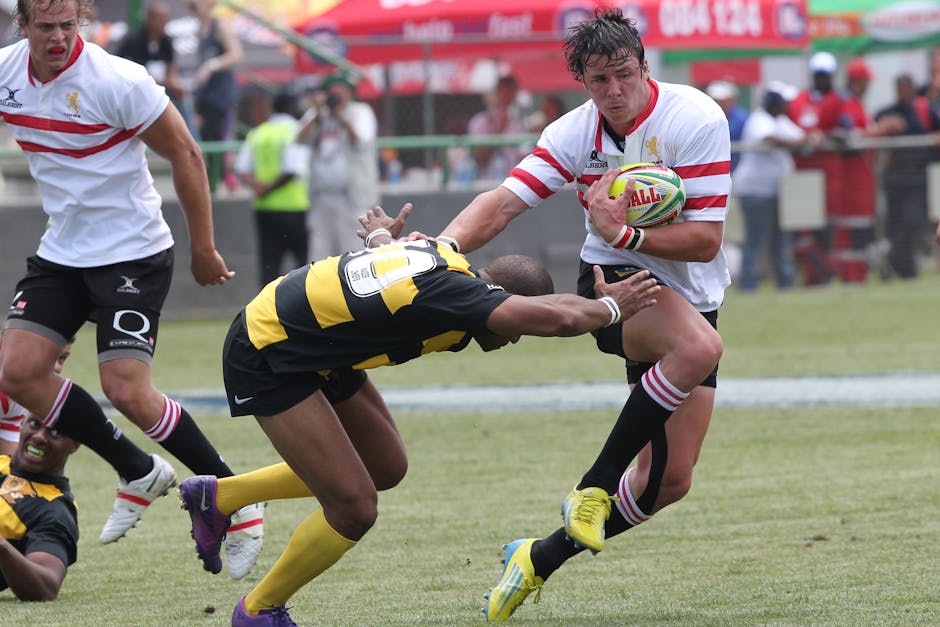
In the world of rugby, recovery after a match is just as critical as training. With the physical demands of the sport, it’s essential to focus on how we can recover effectively. After an intense game, our bodies require adequate care and attention to rebuild strength, improve performance, and minimize the risk of injury in the future.
Article Summary
To recover faster after a rugby match, we should prioritize hydration, nutrition, and rest. Incorporating active recovery techniques, such as light exercise and stretching, can also aid in alleviating muscle soreness. Proper sleep and mental recovery play significant roles as well, allowing us to prepare for future matches.
Hydration: The Foundation of Recovery
One of the fundamental elements of recovery is hydration. When we engage in a rugby match, we lose a considerable amount of fluids through sweat. This loss can lead to dehydration, which hinders our recovery process and overall performance. Thus, it is crucial to start rehydrating immediately after the game.
We recommend drinking water, but for optimal recovery, incorporating electrolyte-rich beverages can be beneficial. These drinks help to replenish lost electrolytes like sodium, potassium, and magnesium.
Moreover, drinking fluids before sleep post-match can improve hydration levels, thereby supporting the recovery process. The goal should be to consume at least 1.5 times the amount of fluid lost during the game in the subsequent hours.
Nutrition: Fueling Recovery
Besides hydration, proper nutrition plays a pivotal role in speeding up recovery. Post-match meals should focus on both carbohydrates and proteins, facilitating muscle repair and energy replenishment.
Carbohydrates: Restoring Energy
After a rugby match, our glycogen stores are depleted. Consuming carbohydrates aids in quickly restoring these stores. Foods like rice, pasta, fruits, and whole grains should be incorporated into our post-match meals.
Proteins: Repairing Muscles
In addition to carbohydrates, consuming adequate proteins is necessary for muscle repair. It is advisable to include lean meat, fish, eggs, or plant-based sources like beans and lentils in our diet. Aim for a combination of 3:1 ratio of carbohydrates to protein for optimal recovery.
Here’s a quick guide for a post-match meal:
Combining these components restores energy and repairs our muscles efficiently.
Active Recovery: Moving to Heal
While rest is crucial, engaging in active recovery can accelerate our healing process. Gentle activities like walking, cycling, or swimming promote blood circulation and help to alleviate muscle soreness.
Additionally, specific stretching exercises can maintain flexibility and prevent stiffness. We should include both dynamic and static stretches in our recovery routine. For instance, light yoga or Pilates can also offer benefits, promoting relaxation and improving mobility.
The Importance of Sleep
Sleep is often overlooked, yet it is arguably one of the most critical aspects of recovery. After a physical exertion, our muscles undergo repair during sleep, making it essential to prioritize a good night’s rest. Establishing a regular sleep schedule promotes better recovery cycles.
Aim for at least 7–9 hours of sleep, and consider incorporating the following habits:
We will notice significant improvements in our energy levels and performance with ample sleep.
Mental Recovery: Overlooked Yet Vital
While we often discuss the physical aspect of recovery, mental recovery is equally important. Rugby is as much a mental game as it is physical, and taking the time to unwind and relax can help alleviate stress and anxiety.
Engaging in mindfulness practices, such as meditation or deep-breathing exercises, can enhance mental well-being. This mental recovery assists in preparing us for the next game while ensuring we maintain a positive mindset.
Listening to Our Body
At the end of the day, we must listen to our bodies. Each of us recovers at different rates, and recognizing our individual needs is essential. If we feel excessive fatigue or pain, it may be wise to take additional rest days or seek advice from healthcare professionals.
Incorporating personal recovery strategies can also be highly beneficial. Whether it involves using foam rollers, ice baths, or massages, we should find what works best for us.
Conclusion
Recovering faster after a rugby match is a multifaceted process that requires attention to hydration, nutrition, active recovery, sleep, and mental well-being. By integrating these elements into our post-game routine, we give our bodies the best chance to heal, rebuild, and prepare for the next challenge. Let’s embrace these strategies and enhance our overall rugby experience, ensuring that we perform at our peak in every match.