
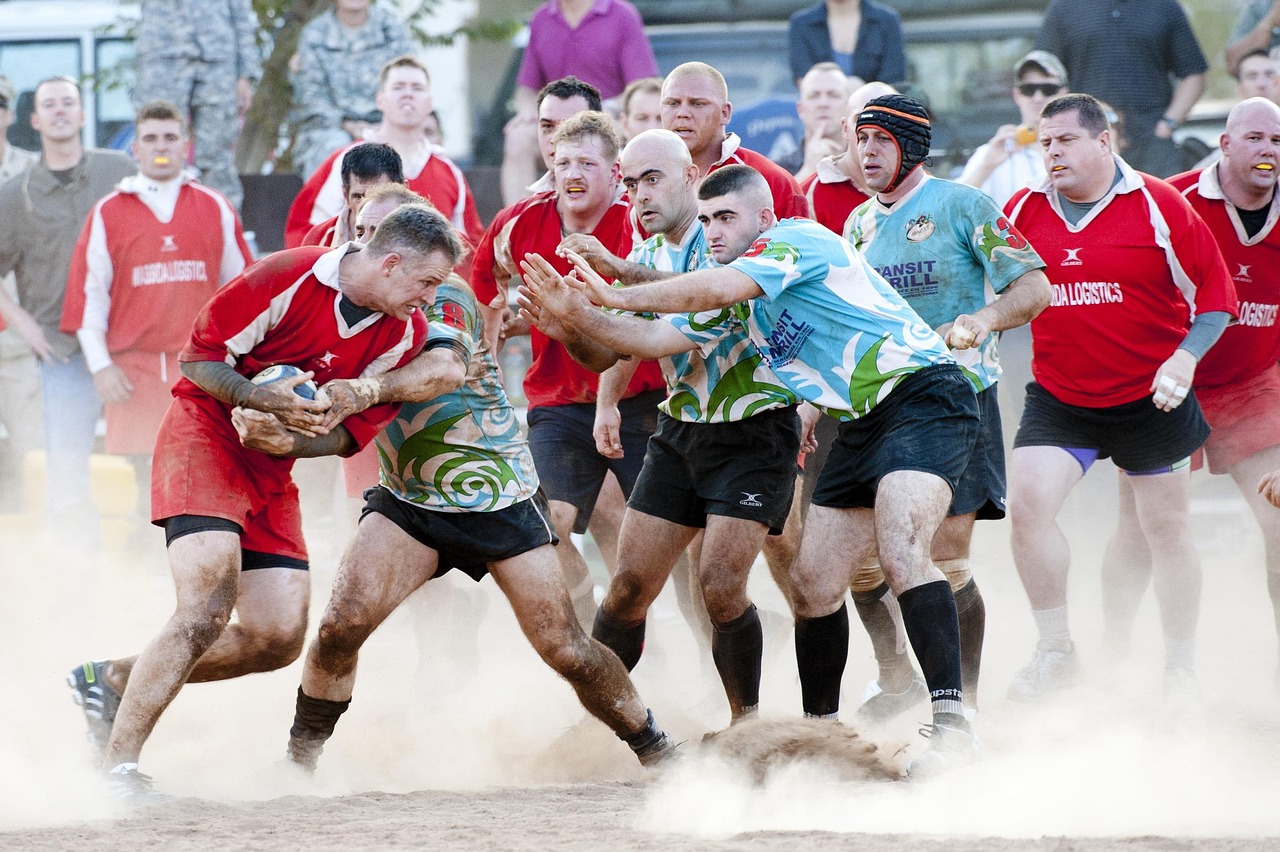
Rugby is a game of strategic complexity, where tactical decisions can determine the outcome of a match. Understanding how these tactics function can enhance our appreciation of the sport, as well as improve our viewing experience. As we delve into the various facets of rugby tactics, we will examine how teams position themselves, communicate, and adapt their strategies throughout the game.
Article Summary
In rugby, tactics involve the strategic deployment of players, communication, and adaptability to the opponent’s moves. Teams use set plays, formations, and real-time adjustments to exploit weaknesses while contesting possession, ultimately influencing the match’s outcome.
The Fundamentals of Rugby Tactics
To begin with, it is imperative to grasp the fundamental principles of rugby tactics. At its core, rugby combines physical prowess with cerebral strategy. Teams employ several tactics to maximize their effectiveness during a match, including:
Each of these tactics plays a vital role in how a team approaches both offense and defense.
Formation Setups
Before the match starts, teams establish their formations. These formations dictate player positioning and influence gameplay style. Common formations include:
Each formation has its strengths and weaknesses, compelling teams to choose their setup based on their players’ capabilities and the opponents’ style.
Set Pieces: The Backbone of Strategy
Set pieces — such as scrums and lineouts — are critical junctures in a match where teams can significantly influence the game’s flow.
Scrums
Scrums occur after minor infractions and provide an opportunity for teams to regroup. The team with the put-in often uses this moment to execute pre-planned plays. There are a few tactical options that teams can employ during a scrum:
By mastering scrums, teams can gain an upper hand, transforming the game’s momentum in their favor.
Lineouts
Lineouts, on the other hand, occur when the ball goes out of play. They involve a contest for possession, where strategies come into play. Optimal execution can lead to exceptional scoring chances. Teams often rely on:
By understanding the tactical nuances of lineouts, teams can enhance their attacking options.
In-Game Adjustments: The Importance of Adaptability
Beyond set pieces, a rugby team’s ability to adapt in real-time is crucial. As matches progress, teams must continually reassess their strategies based on the opposing team’s formations and tactics.
Reading the Game
Players and coaches analyze the opponent’s movements incessantly. Identifying patterns can unveil weaknesses to exploit. For example, if the opposition’s defense is compact, it may be advantageous to widen the gameplay, creating opportunities for overlaps on the flanks.
Communication
Effective communication among players is key for executing tactical adjustments. Calls for plays should be clear and succinct, enabling players to respond swiftly. Often, players will employ hand signals or verbal cues to relay changes, ensuring everyone is on the same page.
Exploiting Weaknesses
Success in rugby often hinges on exploiting the opponent’s vulnerabilities. Teams analyze their rivals, searching for gaps in formations or miscommunications, which can be exploited to gain an advantage.
Counter-Attacking Strategies
Counter-attacks are a fundamental tactic employed by teams, allowing them to leverage their defensive strengths into offensive opportunities. When possession is regained, the idea is to transition quickly, striking before the opposing defense can reset.
The Role of Coaches
Coaches play an indispensable part in formulating and implementing tactics. They assess the rival team’s strategies while adjusting their own throughout the match. By observing gameplay and communicating during breaks in play, coaches can provide vital insights.
The Mental Component of Tactics
Rugby is not solely a physical game; it is equally a psychological battle. Players must remain mentally agile, adapting to shifting dynamics in favor of their team. This mental fortitude can significantly impact the outcome of the match.
Conclusion
Understanding how tactics work during a rugby match can profoundly enhance our appreciation of the sport. By recognizing the intricate interplay of formations, set pieces, adaptability, and communication, we gain insight into what makes rugby not only a physically demanding sport but also a deeply strategic endeavor. This richness in tactics is what makes rugby endlessly captivating — an orchestra of athleticism, strategy, and teamwork that we can all enjoy.