
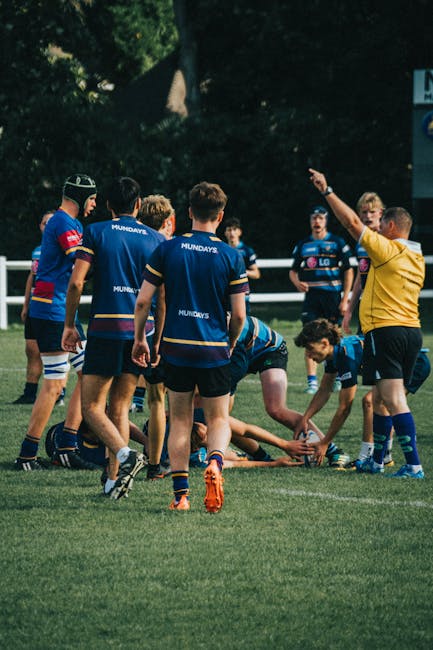
In the high-impact world of rugby, strength plays a pivotal role, allowing us to tackle, scrum, and sprint with both power and precision. As players, we continually seek ways to enhance our performance, and a well-structured strength training program can be the key to unlocking our full potential on the pitch.
Article Summary
The best strength training program for rugby players encompasses compound movements, sport-specific exercises, and a focus on functional strength. By prioritizing these elements, we can improve both our on-field performance and injury prevention strategies.
Understanding the Needs of Rugby Players
Rugby is a sport characterized by its physical demands; it requires a unique blend of strength, speed, and endurance. As players, we must build our training programs around these demands, focusing on aspects such as:
By recognizing the specific demands of our game, we can tailor our strength training programs to enhance our capabilities in these areas.
Key Components of an Effective Strength Training Program
To create a successful strength training program, we must include several essential components that will allow us to achieve our goals. These components can be broken down into the following categories:
1. Compound Exercises
At the foundation of our strength training, compound exercises are non-negotiable. They target multiple muscle groups and include:
Incorporating these exercises into our routine helps us build a solid foundation, translating to improved performance on the field.
2. Plyometrics and Agility Work
Plyometric exercises not only build strength but also enhance our explosiveness and agility. These include:
These explosive movements are particularly important, as they simulate the quick bursts of speed and power we need during gameplay.
3. Sport-Specific Drills
Our training must reflect the specific demands of rugby. Incorporating sport-specific drills is an ideal way to bridge the gap between the gym and the field. These could include:
Sport-specific drills ensure that we develop the necessary skills while reinforcing the strength we gain in the gym.
Periodization: Structuring Our Training
To maximize our strength training effectiveness, we must consider how we structure our training throughout the season. Periodization involves dividing our training into distinct phases, which enables us to focus on different aspects of fitness at various times.
The key phases typically include:
1. Off-Season
During this phase, we can focus on building raw strength with heavy weightlifting and fewer repetitions. It’s an opportunity to increase our muscle mass and power.
2. Pre-Season
As we approach the season, we shift our focus towards functional strength and sport-specific skills. This phase incorporates more agility work and plyometrics.
3. In-Season
Finally, during the competitive season, our training must shift towards maintaining strength while minimizing fatigue. This can involve reduced volume and intensity, ensuring that we are game-ready when it matters most.
Injury Prevention Through Strength Training
One of the often-overlooked benefits of a solid strength training program is the role it plays in injury prevention. By developing balanced strength in all muscle groups, we can reduce the risk of common rugby injuries such as:
Incorporating a diverse range of exercises aimed at strengthening these areas can enhance our resilience on the field.
Conclusion
In summarizing our insights, the best strength training program for rugby players is one that encompasses compound movements, sports-specific drills, and a structured approach to periodization. By embracing functional strength and prioritizing injury prevention, we can elevate our game, fostering resilience and performance under pressure. As we embark on our training journeys, let us be diligent in applying these principles and tailored strategies to thrive in the dynamic world of rugby.