
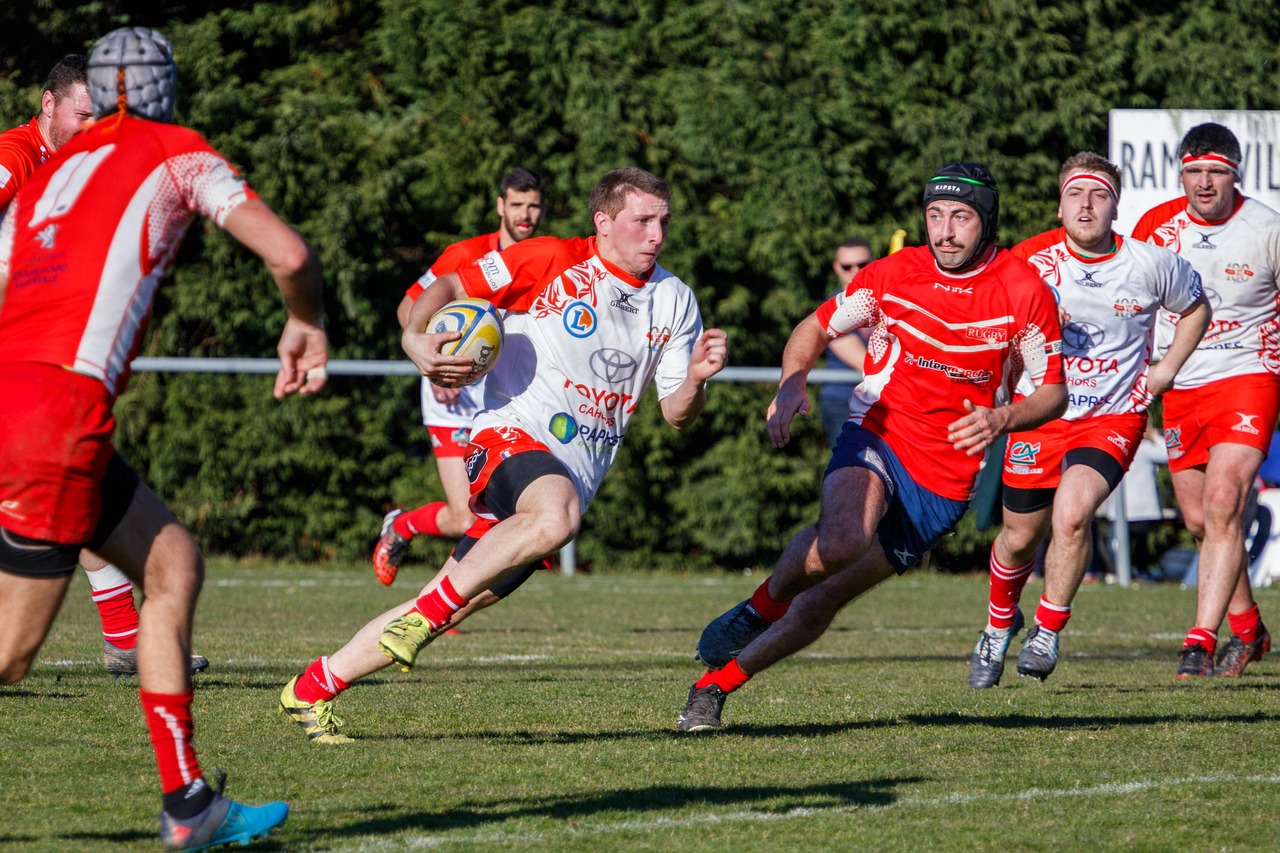
The beauty of rugby lies not only in the brute strength and power of its players, but also in the intricate tactics that unfold on the field. Among these strategies, counter-attacking stands out as one of the most exhilarating and effective ways to capitalize on an opponent’s mistakes. In this article, we will delve into the best counter-attacking tactics in rugby, offering insights and strategies to elevate your game and understanding of this dynamic approach.
Article Summary
The finest counter-attacking tactics in rugby emphasize swift ball movement, exploiting defensive gaps, and leveraging the element of surprise. By effectively reading the game, players can transition from defense to attack seamlessly, resulting in scoring opportunities even from precarious situations.
Understanding Counter-Attacking
Counter-attacking is a tactical response that occurs when a team, having regained possession, swiftly transitions from defense to offense, aiming to exploit the disarray in the opposing defensive line. This strategy thrives on speed, agility, and anticipation.
We should bear in mind that the essence of a successful counter-attack hinges on quick decision-making and the ability to read the flow of the game. Players must remain alert and ready to react instantly. When faced with a turnover, it’s crucial to recognize whether to kick for territory, distribute the ball to the backs, or use a forward to regain control.
Key Elements of a Successful Counter-Attack
To become adept at counter-attacking, we must focus on several vital components:
Reading the Game
An effective counter-attack starts with the ability to read the game. This means recognizing the patterns and tendencies of both our team and our opponents. Players must stay aware of the positioning and movement of defenders.
When the opposition carries the ball, we should attentively observe their formation. Is one player overcommitted? Are there gaps in the defensive line? By maintaining this vigilance, we can identify potential opportunities for a quick counter-attack.
Using video analysis can significantly enhance our understanding. By studying past matches, we can uncover the nuances of our opponents’ play, which can inform our own strategies moving forward.
Transitioning from Defense to Attack
The transition phase is crucial to a successful counter-attack. Once possession is regained, the goal is to shift the mindset from defending to attacking within mere seconds. Here are some tactics to consider:
1. Creating Overlaps
By outnumbering opponents on one side of the pitch, we can create overlaps that result in scoring opportunities. This requires precise timing and rapid decision-making.
2. Using Kicks Strategically
Sometimes, kicking the ball strategically can provide an edge. A well-placed kick behind the defensive line may force defenders to make a hurried decision, opening up space elsewhere on the field.
3. Executing Quick Passes
Ensuring the ball is passed quickly and accurately is vital. This can disrupt the opposition’s defensive structure, allowing us to exploit gaps effectively.
We should also emphasize the importance of balance; while attacking, players must ensure our defensive integrity is not compromised, prepared to revert to defense if the counter-attack does not yield immediate results.
Capitalizing on Mistakes
Every match presents opportunities to capitalize on opponents’ errors. Turnovers happen, and it’s our responsibility to recognize these moments. We should remain vigilant for:
Bringing our players’ agility and speed into play during these moments can often lead to exhilarating scoring chances.
Conclusion
In summary, mastering the art of counter-attacking in rugby requires an astute understanding of the game, quick decision-making, and flawless execution. By focusing on speed, support, space utilization, and communication, we can transform defensive situations into remarkable attacking opportunities. As we refine these skills, we not only elevate our individual performance but also enhance our team’s overall effectiveness on the field. Embracing the thrill of counter-attacking can lead to memorable victories and add excitement to our rugby experience.