
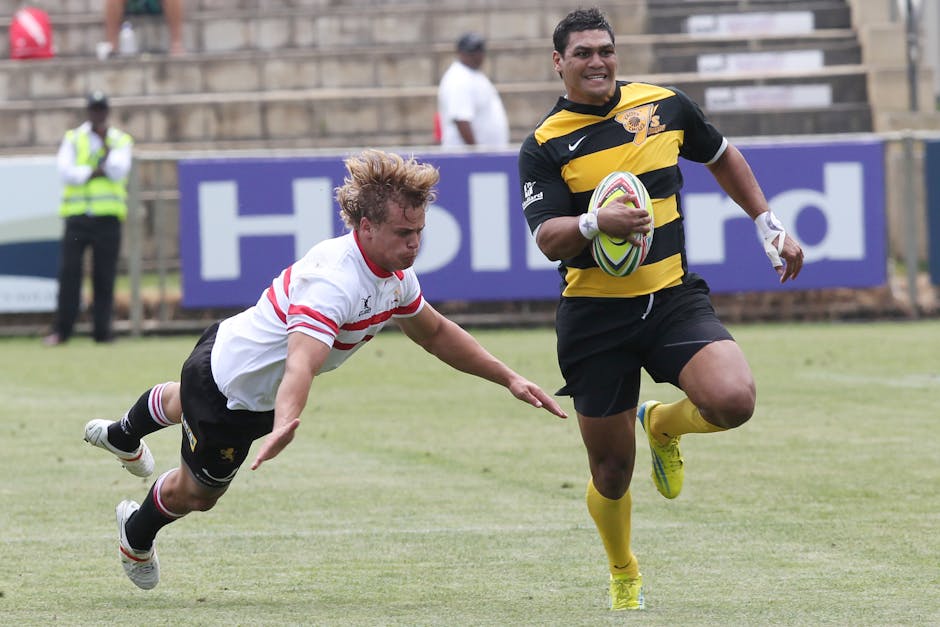
Rugby is a physically demanding sport that requires a combination of strength, speed, endurance, and agility. As players, we understand the importance of off-season training, as it provides us with the opportunity to enhance our skills, recover from the past season, and prepare our bodies for the challenges that lie ahead.
Article Summary
To maximize performance on the rugby field, a comprehensive off-season training program should focus on strength training, conditioning, skill development, and recovery. By following a structured approach, we can ensure that we return to the pitch in peak physical condition, ready to dominate the competition.
Why Off-Season Training is Crucial
The off-season is our chance to recharge and rebuild after a grueling competition calendar. It is not merely a time for rest; instead, it should be viewed as an integral part of our annual training cycle. During this time, we can address any physical weaknesses, refine our technical skills, and set firm goals for improvement.
Components of an Effective Off-Season Training Program
An effective off-season training program can be decomposed into several key components: strength training, conditioning, skill development, and recovery strategies. Each of these elements should be tailored to meet the specific needs of rugby players.
Strength Training
Strength is foundational in rugby, impacting performance in tackles, scrums, and rucks. Our strength training routine should emphasize:
- Compound movements: Exercises like squats, deadlifts, and bench presses engage multiple muscle groups, providing a solid foundation for overall strength.
- Functional training: Incorporating kettlebell swings, medicine ball throws, and resistance band work aids in developing the type of muscle strength we need on the field.
- Progressive overload: Gradually increasing weights and resistance over time ensures continuous improvement and helps avoid plateaus.
- Specificity: Tailor exercises to mimic rugby movements, such as lunges with rotation or single-leg deadlifts, to enhance athletic performance.
In addition, we must prioritize building strength in key muscle groups, particularly the legs, core, and upper body. Balancing strength training with proper form helps to minimize injury risk.
Conditioning
Conditioning is vital for maintaining performance throughout the match. A well-rounded conditioning program should include both aerobic and anaerobic elements.
- Aerobic conditioning: Engage in long-distance running, cycling, or swimming to build a strong cardiovascular base.
- Anaerobic conditioning: Incorporate high-intensity interval training (HIIT) to develop short bursts of speed, essential for quick sprints during a game.
- Sport-specific drills: Involve shuttle runs, agility ladders, and cone drills to enhance lateral movement and response times.
By regularly incorporating a variety of conditioning workouts, we can ensure that we maintain optimal fitness levels while avoiding monotony in our training.
Skill Development
While the off-season is a prime time for physical conditioning, it is equally important to refine technical skills.
- Ball handling: Focus on passing accuracy, catching, and ball security through various drills, like partner passing or solo juggling.
- Tackling technique: Practice safe and effective tackling methods, which can be done in drills with a focus on proper form and body positioning.
- Game understanding: Analyze match footage to deepen our knowledge of tactics, plays, and set pieces.
Using this time to hone our skills greatly increases our efficiency on the field when the next season rolls around.
Recovery Strategies
To maximize the benefits of our training, we must not overlook recovery. Recovery strategies will enhance our training outcomes and prevent burnout.
- Rest days: Incorporate regular rest days into our schedule to allow our muscles to recover and rebuild.
- Active recovery: Engage in low-intensity activities like yoga, swimming, or light jogging to promote blood flow and reduce muscle soreness.
- Nutrition: Focus on a balanced diet rich in protein, healthy fats, and carbohydrates to aid recovery and muscle growth.
Incorporating these strategies will not only rejuvenate our bodies but will also help maintain our mental focus and motivation throughout the off-season.
Setting Goals for the Off-Season
As we carve our training paths, it is essential to set specific, measurable goals. Reflecting on our past performances can guide us in identifying areas for improvement.
We should consider the following aspects when setting our goals:
- Physical improvements: These could involve increasing our squat weight by a certain percentage, improving sprint times, or enhancing endurance.
- Skill mastery: Aim to master particular skills, like improving passing accuracy or perfecting our tackling technique.
- Mental preparation: Devote time to sports psychology techniques to enhance our focus, teamwork, and resilience on the field.
By regularly reviewing our progress against these goals, we can maintain motivation and adjust our training plans accordingly.
Conclusion
In summary, an effective off-season training program for rugby players hinges on a balanced focus on strength training, conditioning, skill development, and recovery. By systematically addressing each of these components, we position ourselves to return to the pitch primed for success. As we embrace the off-season, let’s commit to our training and equip ourselves with the tools needed to dominate our competition in the forthcoming season.